How to Decorate a Home Office on a Budget: Affordable Ideas That Work
Creating a beautiful and functional home office doesn’t require draining your savings account. With thoughtful planning and creative solutions, you can transform any corner of your home into an inspiring workspace that boosts productivity without breaking the bank.
Whether you’re setting up a full room or carving out a small nook, learning how to decorate a home office on a budget means making smart choices about what matters most. The key is focusing on essentials first, then gradually adding personality through affordable decor pieces. This guide will walk you through practical strategies that maximize both style and savings, proving that a gorgeous office space is within everyone’s reach regardless of budget constraints.
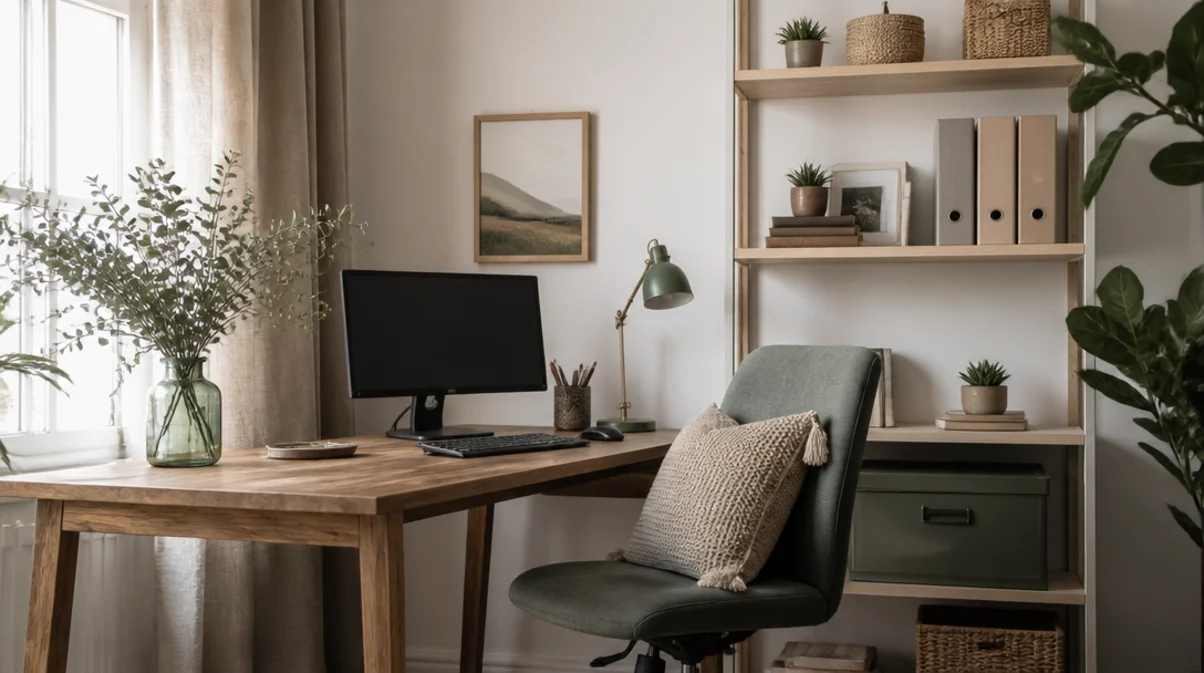
Start With What You Already Own
Before spending a single dollar, take inventory of items throughout your home that could serve your office needs. That dining chair gathering dust in the basement might work perfectly at your desk. Picture frames from other rooms can display motivational quotes or family photos.
Baskets, jars, and decorative boxes make excellent organizers for supplies. Even furniture pieces can be repurposed—a bookshelf becomes file storage, a console table transforms into a standing desk. This treasure hunt approach not only saves money but also creates a more personalized space.
Consider maximizing your existing space creatively by rearranging what you have. Shopping your home first ensures you only purchase what’s truly necessary, preventing impulse buys that blow your budget while cluttering your new workspace unnecessarily.
Invest in One Quality Essential Piece
While budgeting is important, allocating funds toward one substantial item makes sense for long-term satisfaction. Typically, this should be your desk or chair—whichever you’ll use most. A supportive chair prevents back pain during long work sessions, making it worth the investment. Check Houzz for sales on office furniture or explore secondhand options through Facebook Marketplace and Craigslist.
A solid desk provides stability for years, while wobbly cheap alternatives frustrate and eventually need replacing. Once you’ve secured this anchor piece, everything else can be budget-friendly additions. This strategy ensures comfort and functionality aren’t sacrificed for aesthetics. Quality doesn’t always mean expensive—look for simple designs in durable materials rather than trendy pieces that command premium prices. A well-made wooden desk from a thrift store often surpasses particle board options from big box stores.
Paint Your Way to Transformation
Few changes deliver more impact per dollar than paint. A gallon costs under $35 and can completely transform your office atmosphere. Choose colors that enhance focus—soft blues promote calmness, greens reduce eye strain, and warm neutrals create cozy productivity. You don’t need to paint entire walls; consider an accent wall behind your desk or painting existing furniture for a fresh look.
Leftover paint from other home projects works perfectly for smaller surfaces like shelves or drawer fronts. Before buying new decor, experiment with paint samples on poster boards to visualize different schemes. This affordable update dramatically shifts the room’s energy without requiring new furniture purchases. Painting old frames, storage boxes, or even creating your own abstract art for wall decor extends your budget further while adding personalized touches that reflect your style perfectly.

Shop Secondhand and Thrift Stores
Thrift stores, estate sales, and online marketplaces offer incredible finds for those willing to hunt. Solid wood furniture from decades past often surpasses modern manufactured pieces in quality and costs a fraction of retail prices. Vintage office accessories like desk lamps, filing cabinets, and storage containers add character impossible to replicate with new items. Set alerts on apps like OfferUp and Nextdoor for specific items you need.
Weekend estate sales in older neighborhoods frequently feature beautiful office furniture at bargain prices. Don’t overlook items needing minor repairs—loose chair legs or scratched surfaces are easily fixed with basic tools and YouTube tutorials. According to experts at HGTV, mixing vintage finds with modern elements creates uniquely curated spaces. Patience pays off when thrifting; visit stores regularly since inventory constantly changes, and eventually you’ll discover perfect pieces at unbeatable prices.
DIY Decor and Organization Solutions
Handmade decor adds personality while keeping costs minimal. Create wall art by framing fabric samples, wrapping paper, or printed designs from free online sources. Make desk organizers from recycled cans covered in decorative paper or paint. Build simple floating shelves using affordable lumber and brackets from hardware stores. Mason jars become pencil holders, while clipboard displays create inspiration boards.
Pinterest overflows with tutorials for budget-friendly office projects requiring minimal supplies. A macramé plant hanger costs pennies in materials but adds textural interest. Photo ledges made from basic wood strips showcase artwork you can rotate seasonally. Learning how to decorate a home office on a budget often means getting creative with materials. Even simple projects like organizing your workspace efficiently through DIY solutions make significant impacts. These personal touches reflect your creativity while proving style doesn’t require expensive store-bought pieces.
Strategic Splurges That Make Sense
Knowing where to save and where to spend slightly more ensures your budget works hardest. Good lighting deserves attention since it affects both productivity and eye health. A quality desk lamp with adjustable brightness provides better value than decorative lighting that looks pretty but functions poorly. Similarly, proper storage prevents clutter chaos—investing in one organizational system beats buying random containers that don’t work together.
Window treatments merit consideration too; blackout curtains or quality blinds control glare and temperature, improving comfort during work hours. Technology accessories like monitor stands or keyboard trays enhance ergonomics, potentially preventing physical strain worth far more than their cost. These functional investments improve daily experience significantly. Conversely, save on purely decorative items—dollar store vases hold flowers beautifully, budget frames display artwork perfectly, and inexpensive throw pillows add comfort without premium prices. Balance practical spending with creative saving.

Conclusion: Your Budget-Friendly Office Awaits
Understanding how to decorate a home office on a budget empowers you to create an inspiring workspace without financial stress. By starting with existing items, investing strategically in one quality piece, leveraging paint’s transformative power, shopping secondhand, embracing DIY projects, and making smart splurges, you’ll build an office that perfectly balances style and savings.
Remember that decorating is a journey, not a race—add pieces gradually as budget allows rather than rushing to complete everything immediately. Your office should evolve with your needs and taste, making the process enjoyable rather than overwhelming. Start this weekend by shopping your home and identifying what you already have. Then tackle one affordable project—maybe painting an accent wall or creating DIY organizers. Small steps lead to big transformations, and before long, you’ll have a beautiful, functional office that proves style doesn’t require unlimited funds. Your dream workspace is absolutely achievable with creativity, patience, and these budget-conscious strategies.


One Comment