How to Pick a Sofa Color for a Small Living Room: 10 Brilliant Expert Design Tips
Choosing the perfect sofa for a small living room can feel overwhelming, especially when color plays such a crucial role in how spacious your room appears. The right sofa color doesn’t just complement your decor—it transforms how your entire space feels and functions. Understanding how to pick a sofa color for a small living room means balancing visual appeal with spatial perception.
Whether you’re working with a cozy apartment or a compact townhouse, the sofa is often the largest furniture piece and the focal point of your room. This guide will walk you through practical strategies to select a sofa color that enhances your small space, reflects your personal style, and creates the illusion of more room without sacrificing warmth or character.
Consider Light and Neutral Tones for Maximum Space
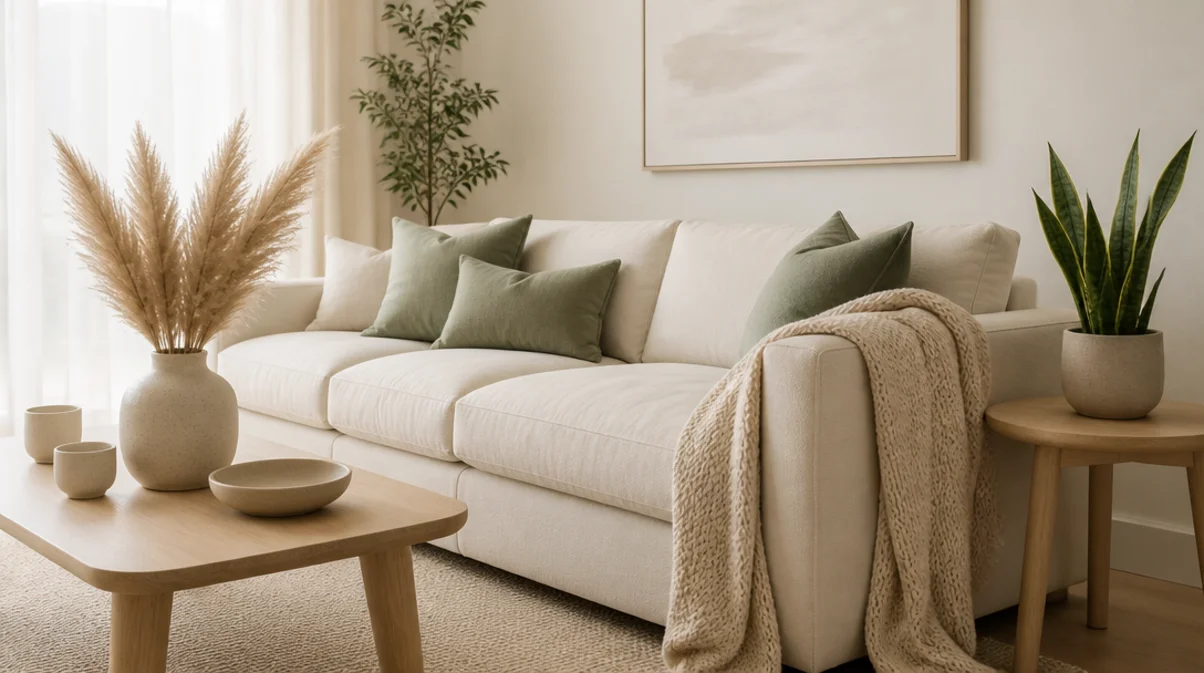
Light colors are your best friend when learning how to pick a sofa color for a small living room. Soft neutrals like cream, beige, light gray, and warm white reflect natural light and create an airy atmosphere that makes rooms feel significantly larger. These colors blend seamlessly with walls, creating a continuous visual flow that doesn’t interrupt the eye.
A pale sofa won’t dominate your space visually, allowing other design elements to shine while maintaining a sense of openness. According to Better Homes & Gardens, neutral palettes are timeless and versatile, working beautifully with seasonal decor changes. Light-colored sofas also make excellent backdrops for colorful throw pillows and blankets, letting you add personality without overwhelming your compact space. Consider shades like linen, oatmeal, or soft dove gray for maximum versatility.
Understand the Power of Cool Blues and Greens
Cool colors naturally recede visually, making them excellent choices for small spaces. Soft blues, sage greens, and muted teals create a calming environment while tricking the eye into perceiving more depth and space. These colors evoke nature and tranquility, perfect for creating a relaxing retreat in your compact living area. A dusty blue or seafoam green sofa adds sophisticated color without the visual weight of darker hues.
These tones work particularly well in rooms with good natural light, where they can shift beautifully throughout the day. Cool colors also pair wonderfully with natural materials like wood and rattan, creating a cohesive coastal-inspired aesthetic. When selecting cool tones, test fabric samples in your actual space at different times of day to ensure the color feels right in your specific lighting conditions.
Match Your Sofa Color to Wall Tones
Creating a monochromatic scheme where your sofa color closely matches your wall color is a brilliant strategy for small living rooms. This technique eliminates visual boundaries between furniture and walls, making the entire room feel more expansive and cohesive. When your sofa blends with the background, it doesn’t visually chop up the space into smaller sections. Choose a sofa that’s just a few shades lighter or darker than your walls for subtle dimension without harsh contrast.
This approach works beautifully whether your walls are white, gray, beige, or even soft pastels. The continuity creates a sophisticated, gallery-like atmosphere that feels intentionally designed. You can then add visual interest through varied textures—think velvet cushions, chunky knit throws, or woven baskets—that provide depth without introducing competing colors that fragment the space.

Consider Pattern and Texture Over Bold Colors
If you crave personality but worry about overwhelming your small space, consider a neutral sofa with interesting texture or subtle pattern instead of bold color. A textured fabric in a light shade provides visual interest while maintaining the space-enhancing benefits of neutral tones. Options like nubby linen, soft velvet, or woven chenille add dimension without the visual weight of bright or dark colors.
Subtle patterns like tone-on-tone stripes, delicate florals, or geometric weaves can inject personality while staying within a cohesive color story. This strategy gives you the best of both worlds—a sofa that feels special and unique without making your room feel cramped. As noted by experts at HGTV, texture creates depth and interest in ways that color alone cannot achieve, making it invaluable in small space design.
Evaluate Natural and Artificial Lighting Conditions
Your room’s lighting dramatically affects how sofa colors appear and how spacious your room feels. Rooms with abundant natural light can handle slightly darker or more saturated colors without feeling cramped, while spaces with limited windows benefit most from very light, reflective tones. Observe your living room throughout the day—morning light tends to be cool and bluish, afternoon light warm and golden, and evening light depends entirely on your artificial lighting.
A sofa color that looks perfect at noon might feel completely different at night under lamp light. Warm-toned lighting makes cool colors appear muddy, while cool LED lights can make warm colors look washed out. Before committing to a sofa color, bring large fabric swatches home and observe them in your space for several days, noting how they transform under different lighting conditions to ensure your choice works around the clock.
Think Long-Term and Consider Lifestyle Factors
When selecting your sofa color, balance aesthetics with practicality for your specific lifestyle. Light sofas create spacious feelings but show stains more easily—important if you have children, pets, or frequently entertain. Mid-tone colors like taupe, soft gray, or warm sand offer compromise, providing space-enhancing neutrality while hiding everyday wear better than stark white.
Consider washable slipcovers in light colors if you love the airy look but need practical maintenance. Your sofa represents a significant investment, so choose a color you’ll love for years, not just a trendy shade that might feel dated quickly. Classic neutrals offer flexibility as your style evolves and your living room layout changes.
Think about your existing furniture and whether you plan to keep these pieces—your sofa should coordinate with items you’re not replacing. A versatile, timeless color provides the foundation for endless styling possibilities as seasons and trends change.

Conclusion: Creating Your Perfect Small Living Room
Learning how to pick a sofa color for a small living room ultimately comes down to balancing space enhancement with personal style. Light neutrals, cool tones, and colors that match your walls offer the most dramatic space-expanding effects, while texture and subtle patterns add personality without visual weight.
Consider your lighting conditions carefully, test samples in your actual space, and think practically about maintenance and longevity. Remember that your sofa doesn’t exist in isolation—it’s part of a larger design story that includes walls, flooring, lighting, and accessories. Start by identifying your non-negotiables, whether that’s maximum spaciousness, pet-friendly durability, or a specific aesthetic vibe.
Ready to transform your compact living room? Browse fabric samples, measure your space carefully, and trust your instincts. Your perfect sofa color is waiting to make your small living room feel like the spacious, stylish haven you deserve.


One Comment