Living Room Color Ideas for Small Spaces: Transform Your Cozy Room
Choosing the right colors for a small living room can feel overwhelming, but it’s one of the most powerful tools you have to make your space feel larger, brighter, and more inviting. Whether you’re working with a tiny apartment living room or a cozy family room, the colors you select set the entire mood and visual flow of your home.
The good news? Small spaces don’t mean you have to sacrifice style or personality. With strategic living room color ideas for small spaces, you can create an environment that feels both spacious and uniquely yours. From soft neutrals that reflect light to bold accent walls that add depth, the right color palette transforms limitations into design opportunities that showcase your personal style beautifully.
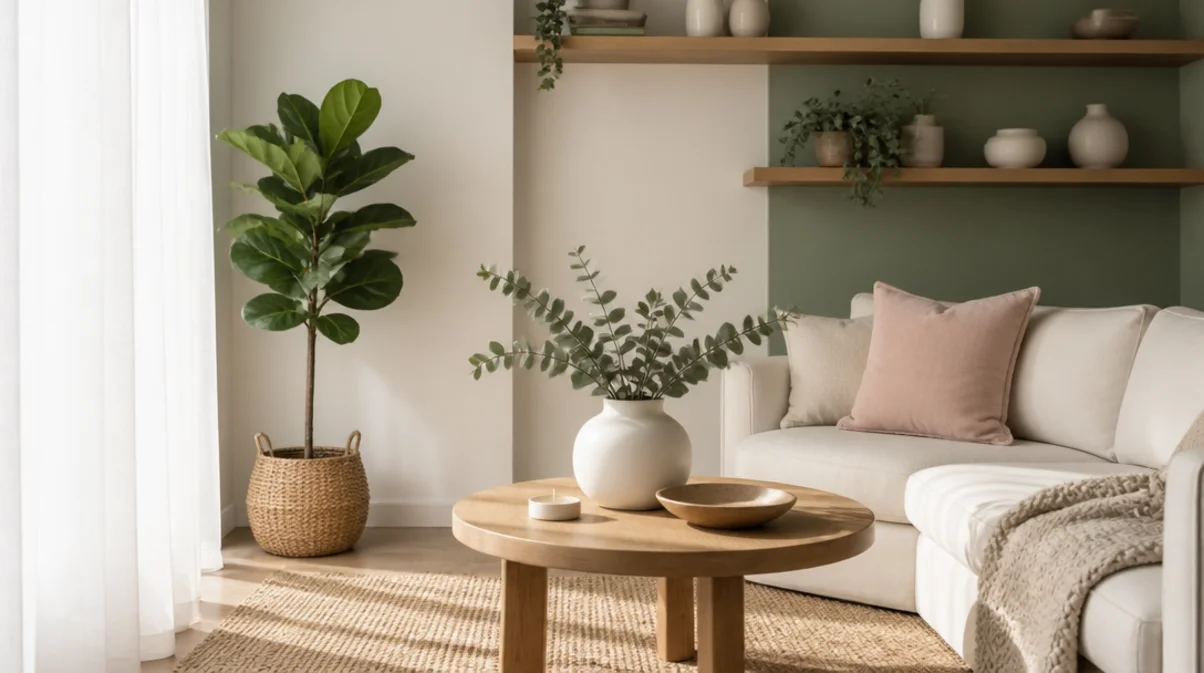
Why Light Colors Make Living Room Color Ideas for Small Spaces Work
Light colors remain the gold standard for small living rooms because they naturally reflect light and create an airy, open feeling. Soft whites, warm beiges, pale grays, and creamy ivories bounce natural and artificial light around the room, making walls appear to recede rather than close in. According to Better Homes & Gardens, light paint colors can visually expand a room by up to 20 percent.
Consider shades like Benjamin Moore’s Simply White or Sherwin Williams’ Alabaster for a clean backdrop that works with any decor style. These versatile neutrals also provide the perfect canvas for layering textures and accent colors through furniture, pillows, and artwork, giving you flexibility to change your look seasonally without repainting.
Creating Depth With Monochromatic Color Schemes
A monochromatic approach using varying shades of a single color creates sophisticated depth without overwhelming a compact space. This technique works beautifully with living room color ideas for small spaces because it eliminates visual breaks that can make rooms feel choppy and smaller. Choose one base color you love—perhaps a soft blue, warm taupe, or gentle sage—then incorporate lighter and darker versions throughout the room.
Paint walls in the lightest shade, select furniture in medium tones, and add depth with darker accent pieces like throw pillows or picture frames. This creates a cohesive flow that guides the eye smoothly around the space. The seamless color progression tricks the brain into perceiving more square footage while maintaining visual interest through tonal variation rather than contrasting colors.
Strategic Accent Walls That Add Dimension
Contrary to popular belief, accent walls can actually benefit small living rooms when done correctly. The key is choosing the right wall and color intensity. Paint the wall farthest from the entrance or behind your main seating area in a slightly deeper shade than your other walls—this creates the illusion of depth by drawing the eye backward, making the room feel longer.
Consider rich colors like navy blue, forest green, or even charcoal gray for drama without darkness. Alternatively, try a vertical striped accent wall in two coordinating light shades to visually heighten your ceiling. For more inspiration on maximizing your compact area, explore our small living room layout ideas that complement these color strategies perfectly while optimizing furniture placement.

Bold Colors That Surprisingly Expand Small Spaces
While light colors are safe choices, certain bold hues can actually make small living rooms feel more spacious when used thoughtfully. Deep, saturated colors like navy, emerald green, or even black create what designers call ‘blurred boundaries’—the walls seem to disappear into the shadows, making it harder to determine where the room actually ends.
This psychological trick works especially well in rooms with good natural light. According to Architectural Digest, dark colors absorb light and create cozy, enveloping spaces that feel intimate rather than cramped. The key is commitment—paint all walls, trim, and even the ceiling in your chosen bold shade for maximum impact. Balance the intensity with light-colored furniture, metallic accents, and plenty of white or cream textiles to prevent the space from feeling cave-like.
Color Psychology and Temperature for Comfort
Understanding color temperature helps you choose living room color ideas for small spaces that match your lifestyle and desired atmosphere. Cool colors like blues, greens, and purples recede visually, making walls appear farther away—perfect for creating spaciousness. These hues also promote calm and relaxation, ideal for living rooms used primarily for unwinding.
Warm colors like yellows, oranges, and warm beiges advance visually but create inviting, energetic spaces perfect for socializing and family gatherings. If your small living room lacks natural light, warm neutrals like cream, buff, or warm gray prevent the space from feeling cold and unwelcoming. Consider your room’s orientation too—north-facing rooms benefit from warm tones to compensate for cooler natural light, while south-facing spaces can handle cooler colors without feeling stark.
Multi-Functional Color Zoning Techniques
When your small living room serves multiple purposes—entertaining, working, relaxing—strategic color zoning helps define different areas without physical dividers that eat up precious space. Use paint to create subtle zones: perhaps a slightly deeper shade behind your desk area or a different finish (matte versus eggshell) to distinguish your reading nook.
Another approach involves keeping walls neutral while using bold color on one architectural feature like built-in shelving or a fireplace surround to anchor different functional zones. Accessories and textiles in coordinating colors further reinforce these invisible boundaries. For comprehensive guidance on making the most of multipurpose compact spaces, check our multifunctional small living room ideas that pair perfectly with these color zoning strategies to maximize both style and functionality in tight quarters.

Start Transforming Your Small Living Room Today
The perfect color palette for your small living room is waiting to be discovered, and now you have the knowledge to choose with confidence. Whether you opt for light and airy neutrals, sophisticated monochromatic schemes, strategic accent walls, or surprisingly bold hues, remember that living room color ideas for small spaces should reflect your personality while enhancing your room’s best features. Start by sampling paint colors in different lighting conditions throughout the day—paint large swatches directly on your walls rather than relying on tiny chips.
Consider how your chosen colors interact with your existing furniture, flooring, and the amount of natural light your space receives. Don’t rush the process—live with your samples for at least a week before committing. Ready to bring your vision to life? Grab those paint samples this weekend and begin the transformation that will make your small living room feel like the spacious, stylish sanctuary you’ve always wanted. Your perfect color palette is just a few brushstrokes away!


One Comment