How to Separate Work From Home in a Small Apartment: 7 Smart Solutions
Living and working in a small apartment can feel overwhelming when your bedroom doubles as your office and your dining table becomes your conference room. Many of us struggle with the challenge of how to separate work from home in a small apartment while maintaining our sanity and productivity. The good news? You don’t need extra square footage to create meaningful boundaries between your professional and personal spaces.
With thoughtful design strategies, clever furniture choices, and intentional zoning techniques, you can carve out a dedicated workspace that helps you stay focused during work hours and truly unwind when the workday ends. Let’s explore practical, budget-friendly solutions that will transform your small apartment into a functional space that serves both your career ambitions and your need for a peaceful home sanctuary.
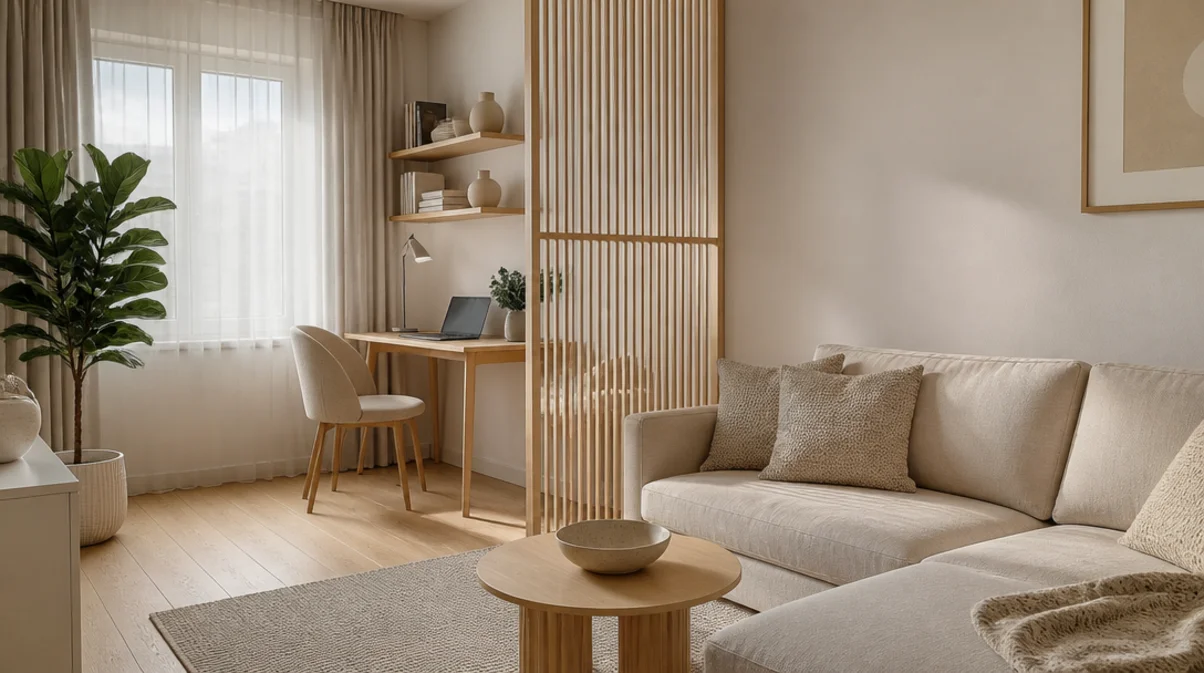
Create Visual Boundaries With Room Dividers
Physical separation is one of the most effective ways to distinguish your workspace from your living area. Room dividers offer an affordable solution that doesn’t require permanent renovations. Consider a folding screen that you can position around your desk during work hours and tuck away in the evening. Fabric panels or bookshelf dividers work beautifully in studio apartments, creating distinct zones while maintaining an open feel.
Hanging curtains from ceiling tracks provides flexible privacy and softens the space aesthetically. Choose dividers that complement your existing decor—a macramé curtain for bohemian vibes or a sleek metal frame for modern aesthetics. The psychological impact of walking through or around a divider signals to your brain that you’re entering a different zone, helping you mentally transition between work mode and relaxation mode throughout the day.
Designate a Dedicated Work Zone
Even in the tiniest apartment, claiming a specific area exclusively for work makes a tremendous difference. This doesn’t mean you need an entire room—a corner, alcove, or even a specific wall can become your designated workspace. The key to understanding how to separate work from home in a small apartment lies in consistency: use the same spot every workday.
Position your desk facing away from your bed or sofa to minimize distractions and create psychological distance from leisure activities. If you’re working from your dining table, consider a portable desk organizer that you set up each morning and pack away each evening. This ritualistic setup and breakdown helps establish clear boundaries. Add a small rug under your workspace to visually anchor the area and define it as distinct from the rest of your living space, creating what designers call a ‘room within a room’ effect.
Invest in Multi-Functional Furniture
Smart furniture choices maximize your limited square footage while maintaining separation between work and home life. A Murphy desk folds flat against the wall when not in use, instantly transforming your office back into living space. Secretary desks with closing doors literally hide your work when you’re off the clock, providing both physical and mental closure to your workday. Console tables behind sofas serve double duty as both workspace and decorative surfaces.
Consider a storage ottoman that holds office supplies but also provides extra seating for guests. Nesting tables can expand your workspace when needed and tuck away compactly afterward. The goal is choosing pieces that seamlessly transition between functions, allowing your apartment to shift identities throughout the day without requiring major furniture rearrangement or creating permanent workspace clutter in your relaxation areas.

Use Lighting to Define Different Zones
Strategic lighting creates ambiance that distinguishes work time from personal time without taking up physical space. Position a dedicated task lamp at your workspace—something bright and focused that signals productivity hours. When work ends, turn off this lamp and switch to softer, warmer lighting in your living areas. This simple act provides a sensory cue that your workday has concluded. Install dimmer switches or use smart bulbs that adjust color temperature throughout the day, cooler tones for morning work sessions and warmer hues for evening relaxation.
Consider a floor lamp that arcs over your workspace, creating a defined pool of light that naturally separates your desk area from surrounding spaces. Backlighting behind your monitor reduces eye strain while creating visual separation. Candlelight or string lights in your living area during evening hours reinforces that you’ve transitioned from professional to personal mode, supporting the work-life balance you’re trying to achieve.
Establish Digital Boundaries and Routines
Successfully separating work from home in a small apartment isn’t just about physical space—it requires digital and temporal boundaries too. Designate specific work hours and stick to them religiously, just as you would if commuting to an office. Create a morning routine that mimics getting ready for work: shower, dress in real clothes, and make coffee before sitting at your desk. This ritual signals to your brain that work is beginning.
Use a separate laptop or create different user profiles on your computer for work versus personal use. Turn off work notifications on your phone after hours. At day’s end, develop a shutdown ritual—closing your laptop, tidying your desk, and perhaps taking a short walk around the block to simulate a commute home. These practices create mental separation even when physical distance is impossible, helping you fully engage with work during business hours and completely disconnect during personal time.
Incorporate Storage Solutions That Hide Work Items
Visual clutter from work materials can prevent you from mentally leaving the office. Implement storage systems that completely conceal work items when you’re off duty. Rolling carts with drawers slide under your desk or into a closet, taking your entire office with them. Decorative baskets on shelves hold supplies while looking intentional and stylish. A credenza or sideboard behind your sofa stores files and equipment while serving as a display surface for plants and picture frames.
Wall-mounted cabinets keep supplies accessible but hidden behind closed doors. Use vertical space wisely—floating shelves above your desk provide storage without consuming floor space. The fewer work-related items visible during your personal time, the easier you’ll find it to mentally disconnect. Each evening, spend five minutes putting everything away, creating a clear visual distinction that this space is now for living, not working, until tomorrow morning arrives.

Add Plants and Personal Touches Strategically
Thoughtful decoration helps differentiate your workspace from your living space while keeping your entire apartment feeling cohesive and homey. Place a specific plant on your desk that you associate only with work—perhaps a small succulent or pothos. In your living areas, use different plants or decorative items that signal relaxation and leisure. Hang artwork above your desk that inspires productivity—motivational quotes or energizing abstracts—while choosing calming landscapes or personal photographs for walls in your relaxation zones.
Use different color stories for each area: perhaps crisp white and navy for your workspace, warmer earth tones for your living area. This visual distinction trains your brain to respond differently to each zone. Consider a small essential oil diffuser at your desk with energizing scents like peppermint during work hours, switching to lavender in your living space during evenings. These sensory details create powerful associations that reinforce the separation you’re working to establish.
Conclusion: Making Small Space Work-Life Balance a Reality
Learning how to separate work from home in a small apartment requires creativity, intentionality, and sometimes just a willingness to try different approaches until you find what works for your unique space and lifestyle. The strategies we’ve explored—from physical dividers and multi-functional furniture to lighting tricks and digital boundaries—can be mixed and matched to suit your specific needs and budget.
Remember that creating separation isn’t about having more space; it’s about using the space you have more mindfully. Start with one or two changes that feel most manageable, perhaps a room divider and a shutdown routine, then gradually implement additional solutions as needed. Your mental health and productivity will thank you for these efforts.
Ready to transform your small apartment into a space that truly works?
Explore more small space office ideas on our site and discover how simple changes can make a world of difference in your daily work-from-home experience. You deserve a home that nurtures both your professional success and personal well-being.


