How to Make a Productive Home Office Setup: Transform Your Workspace Today
Creating a space where you can truly focus and thrive has become essential for modern life. Whether you’re working remotely full-time, running a side business, or simply need a dedicated spot for household management, learning how to make a productive home office setup can dramatically improve your daily routine. The good news?
You don’t need a massive budget or a spare room to create a workspace that inspires productivity. With thoughtful planning and smart choices, you can transform even the smallest corner into a functional, beautiful office that makes you excited to sit down and tackle your to-do list. Let’s explore practical strategies that combine ergonomics, aesthetics, and organization to help you build the perfect productive sanctuary right at home.
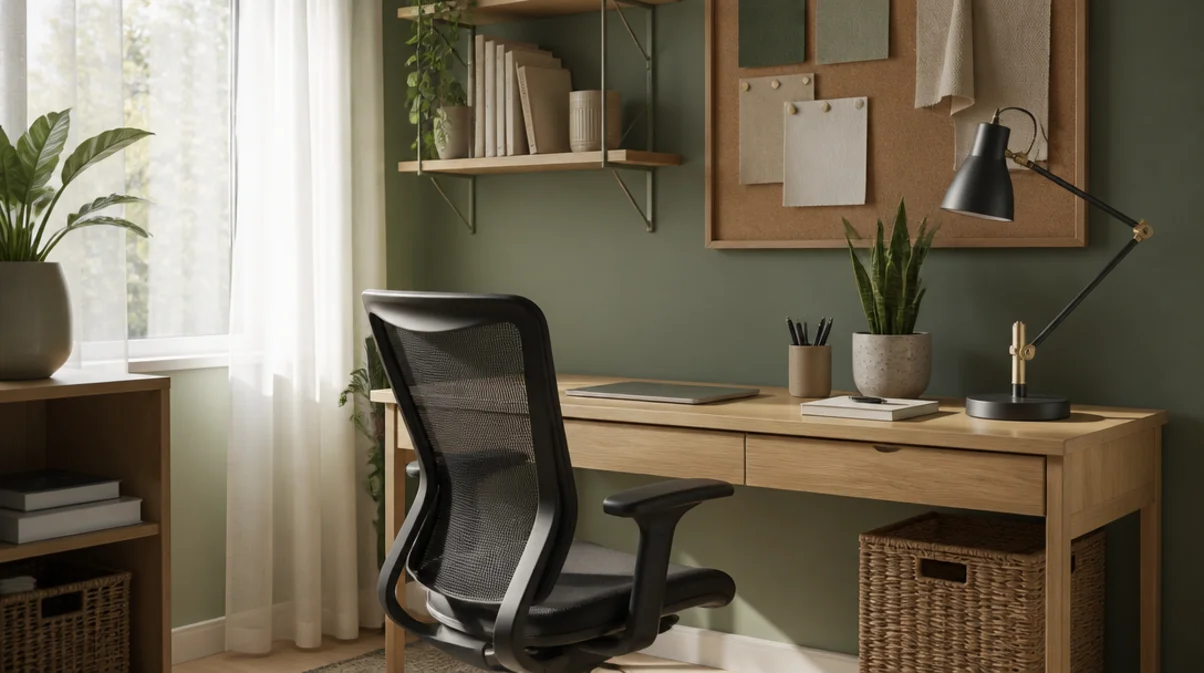
Choose the Right Location and Layout for Maximum Focus
The foundation of any productive workspace starts with selecting the ideal spot in your home. Look for an area with natural light, minimal foot traffic, and enough space to accommodate your essential equipment. If you don’t have a dedicated room, consider converting a closet, sectioning off part of your bedroom with a room divider, or claiming an unused dining room corner. Position your desk perpendicular to windows to reduce screen glare while still benefiting from daylight.
Avoid facing a wall if possible, as this can feel confining and limit your peripheral vision. Instead, angle your setup toward an open area or inspiring view. According to research from Houzz, the layout significantly impacts concentration levels. Consider traffic flow patterns and ensure your chair can move freely without bumping into furniture. This strategic positioning creates a psychological boundary between work and productive home office setup.
Invest in Ergonomic Furniture That Supports Your Body
Your chair and desk are the foundation of comfort during long work sessions, making them worth careful consideration. An adjustable office chair with lumbar support prevents back pain and maintains proper posture throughout the day. Your feet should rest flat on the floor with knees at a 90-degree angle when seated. The desk height matters too—your elbows should bend comfortably at 90 degrees when typing, with wrists straight and relaxed.
If your budget is tight, start with a quality chair since you can always improvise desk height with risers or stack sturdy books temporarily. Standing desk converters offer flexibility without requiring a complete furniture overhaul. Add an anti-fatigue mat if you plan to stand frequently. Consider a compact desk with built-in storage to maximize limited square footage. Remember that investing in proper ergonomics pays dividends in reduced physical strain, fewer headaches, and sustained energy levels throughout your workday.
Optimize Lighting to Reduce Eye Strain and Boost Mood
Proper illumination dramatically affects both productivity and well-being in your workspace. Natural light remains the gold standard, helping regulate circadian rhythms and improving mood. Position your desk to maximize daylight exposure while using sheer curtains to diffuse harsh afternoon sun. Layer your lighting with three types: ambient overhead lighting for general visibility, task lighting like a desk lamp for focused work, and accent lighting to reduce harsh shadows.
Choose LED bulbs with adjustable color temperature—cooler tones around 5000K promote alertness during morning hours, while warmer 3000K tones feel more comfortable for evening tasks. Avoid placing your monitor directly in front of or behind windows, which creates challenging glare situations. A swing-arm desk lamp with dimming capabilities lets you adjust brightness based on time of day and task requirements. According to experts at Better Homes & Gardens, thoughtful lighting design can increase productivity by up to 20 percent while reducing headaches and eye fatigue.

Implement Smart Storage Solutions to Minimize Clutter
A cluttered desk creates mental distraction and wastes valuable time searching for supplies. Implementing how to make a productive home office setup means creating designated homes for everything you use regularly. Vertical storage maximizes small spaces—floating shelves, wall-mounted organizers, and pegboards keep items accessible without consuming desk real estate. Use drawer dividers and desktop organizers to contain pens, paper clips, and charging cables.
Label bins and folders clearly so you can find documents quickly. Keep only items you use daily on your desk surface, storing everything else in drawers or cabinets. A rolling cart offers flexible storage that tucks away when not needed. Consider the one-touch rule: file papers immediately rather than creating piles to sort later. Digital organization matters equally—maintain a clean desktop on your computer with clearly labeled folders. Cable management solutions like cord clips and cable sleeves prevent tangled messes under your desk. Regular decluttering sessions every Friday afternoon help maintain order heading into the next week.
Personalize Your Space with Inspiring Decor Elements
While functionality remains paramount, adding personal touches transforms a sterile workspace into somewhere you genuinely enjoy spending time. Choose decor that motivates without overwhelming—a framed inspirational quote, family photos in coordinating frames, or artwork that sparks joy. Plants purify air while adding life and color to your setup; low-maintenance options like pothos, snake plants, or succulents thrive in office environments.
Incorporate texture through a cozy throw blanket draped over your chair, a small area rug underfoot, or woven baskets for storage. Select a cohesive color palette that promotes focus—blues and greens create calm, while touches of yellow energize. Display items that represent your goals or achievements, like certificates or vision board elements. A small bookshelf with favorite titles adds personality while keeping references handy. Consider adding a decorative desk pad or mouse pad in colors that complement your overall scheme. Remember that less is more—choose meaningful pieces rather than cluttering surfaces with trinkets.
Establish Boundaries and Routines for Work-Life Balance
Physical setup alone doesn’t guarantee productivity; you need behavioral boundaries too. Establish a consistent start and end time to your workday, just as you would commuting to an office. Create a morning ritual that signals work mode—perhaps making coffee, reviewing your daily goals, or a quick tidy of your desk. Use noise-cancelling headphones or a white noise machine to minimize household distractions during focus hours.
Communicate your schedule clearly with family members or roommates so they understand when you’re unavailable. Take regular breaks using the Pomodoro Technique—work for 25 minutes, then step away for five. Use a timer to prevent overworking, which leads to burnout. Resist the temptation to work outside designated hours unless absolutely necessary. Create a shutdown ritual at day’s end—close your laptop, straighten supplies, and physically leave the workspace if possible. This separation helps your brain transition from professional to personal mode. Consider a door or curtain to visually close off the office when you’re off the clock.

Conclusion: Your Productive Workspace Awaits
Understanding how to make a productive home office setup empowers you to take control of your work environment and, by extension, your productivity and well-being. By thoughtfully selecting your location, investing in ergonomic furniture, optimizing lighting, implementing smart storage, personalizing your space, and establishing healthy boundaries, you create more than just a workspace—you build a productivity sanctuary.
Remember that your ideal setup evolves with your needs, so remain flexible and willing to adjust elements that aren’t serving you well. Start with one improvement this week, whether repositioning your desk, adding a plant, or upgrading your chair. Small changes accumulate into significant impacts on your daily experience. Your home office should inspire you to do your best work while supporting your physical comfort and mental focus. Ready to transform your workspace? Begin today by assessing your current setup and identifying the single change that would make the biggest difference. Your most productive days are waiting on the other side of these intentional improvements.


One Comment