How to Organize Food Storage Containers: Smart Solutions for a Clutter-Free Kitchen
If you’ve ever opened your cabinet only to be greeted by an avalanche of mismatched lids and containers, you’re not alone. Learning how to organize food storage containers is one of those game-changing kitchen skills that saves time, reduces stress, and makes meal prep so much easier.
The good news? You don’t need expensive organize food storage containers systems or a complete cabinet overhaul to create a functional storage solution. With a few simple strategies and a bit of dedication, you can transform that chaotic tupperware jumble into a beautifully organized system that actually works for your daily routine. Let’s dive into practical, budget-friendly methods that will help you reclaim your kitchen space and keep those containers under control for good.
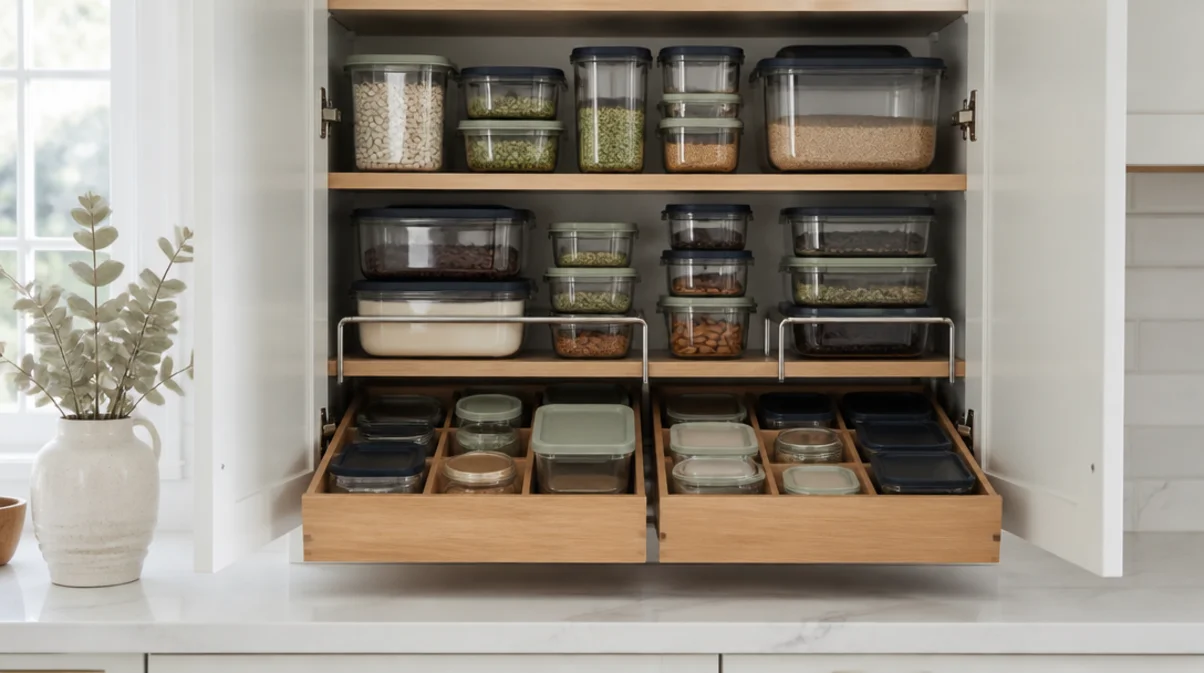
Declutter and Match Containers with Lids First
Before you can organize anything, you need to know what you’re working with. Empty your entire food storage container collection onto your kitchen counter or table. This might feel overwhelming, but it’s essential. Go through each piece and match containers with their lids. You’ll likely discover orphaned lids, cracked containers, and pieces you forgot you owned.
Be ruthless—if a container is stained, warped, or missing its partner, let it go. According to Better Homes & Gardens, keeping only matching sets immediately reduces clutter by up to fifty percent. Consider donating gently used pieces to local shelters or recycling centers. This decluttering step creates a clean slate and makes the organizing process so much more manageable and effective for your kitchen.
Choose the Right Storage Method for Your Space
How you store your containers depends on your available cabinet space and personal preferences. The most popular method is nesting containers by size with lids stored separately in a divided organizer or bin. This maximizes vertical space and makes finding the right size container effortless. Alternatively, you can stack containers with their lids attached, though this takes more room.
Drawer storage works beautifully if you have deep kitchen drawers—use adjustable dividers to create designated sections. Wall-mounted racks or door organizers are perfect for smaller kitchens with limited cabinet space. Check out small kitchen storage solutions for additional space-saving inspiration. The key is selecting a system that matches your cooking habits and kitchen layout rather than forcing a trendy method that doesn’t suit your lifestyle.
Invest in Uniform Container Sets
While it might seem counterintuitive when you’re trying to save money, investing in a quality uniform container set actually saves money long-term. When all your containers are the same brand and system, lids are interchangeable, stacking is seamless, and everything looks cohesive. You don’t need fancy designer brands—affordable options from Target, Walmart, or Amazon work perfectly.
Look for sets with clearly marked sizes, BPA-free materials, and microwave-safe features. Square or rectangular containers maximize cabinet space better than round ones. Consider glass containers for reheating convenience and durability, or lightweight plastic for kids’ lunches and portability. As recommended by experts at HGTV, standardizing your collection eliminates the frustrating lid-matching game and creates a streamlined, functional system that makes meal prep genuinely enjoyable.

Create a Dedicated Lid Organization System
Lids are the troublemakers of container organize food storage containers. They slide around, get lost in the back of cabinets, and create instant chaos. Solve this problem by creating a dedicated lid storage system. File them vertically in a tension rod organizer, drawer divider, or repurposed dish rack so you can flip through them like files. Alternatively, use a magazine holder or wire basket mounted inside your cabinet door.
Some people prefer keeping lids attached to containers, while others stack lids by size in a separate bin. The vertical filing method is particularly effective because you can see every lid at a glance without digging. Whatever method you choose, consistency is crucial. Train everyone in your household to return lids to their designated spot immediately after washing. This simple habit prevents the lid chaos from creeping back into your beautifully organized system.
Label and Categorize by Container Size and Use
Once you understand how to organize food storage containers effectively, labeling takes your system to the next level. Use a label maker, chalkboard labels, or simple masking tape to mark container sizes on shelf edges or dividers. Create categories based on how you use containers—lunch boxes, leftover storage, meal prep, baking, and freezer containers.
Group similar sizes together so you can quickly grab what you need during busy meal times. Consider color-coding lids or containers for different family members if you pack multiple lunches daily. Discover more about pantry organization strategies that complement your container system.
This categorization might seem excessive, but it dramatically speeds up your kitchen routine. When everything has a designated home and clear labeling, even other family members can maintain the organization system you’ve created.
Maximize Vertical Space with Shelves and Risers
Most cabinets have wasted vertical space that you can reclaim with simple organizing tools. Stackable cabinet shelves or risers instantly double your storage capacity by creating two levels where you previously had one. Place smaller containers on the upper tier and larger ones below. This visibility prevents containers from getting lost in the back corners.
Tension rods installed vertically can hold lids upright between containers. Over-the-door organizers work beautifully for smaller containers or lids if cabinet space is limited. Under-shelf baskets attach to existing shelves and create additional storage underneath. These affordable solutions cost between five and twenty dollars but make a tremendous difference in functionality. When you can see everything at once, you’ll actually use your containers instead of buying disposable bags because you couldn’t find the right size.

Maintain Your System with Simple Daily Habits
The most brilliant organization system fails without maintenance. Establish simple daily habits that keep your container collection under control. Always wash and return containers to their designated spots immediately rather than letting them pile up in the sink. Do a quick container audit monthly—check for missing lids, damaged pieces, or items that have migrated to wrong spots.
Resist the urge to save every takeout container, which quickly overwhelms your system. Keep only a few disposable containers for giving away food to friends. Teach everyone in your household the organization system so maintaining it becomes a shared responsibility.
Set a reminder to reassess your needs seasonally, especially if your cooking habits change. These small, consistent actions prevent the chaos from returning and ensure your organized container system remains functional and stress-free for years to come.
Creating an organized food storage container system transforms your kitchen from chaotic to calm. By decluttering ruthlessly, choosing the right storage method for your space, investing in uniform sets, and establishing smart organization habits, you’ll save time and reduce daily stress. Remember, the best system is one you’ll actually maintain, so choose methods that genuinely fit your lifestyle rather than following rigid rules.
Your newly organized containers will make meal prep faster, leftovers easier to manage, and your kitchen more enjoyable to use every single day. Ready to tackle more kitchen organization challenges? Start today by emptying that cabinet and implementing these practical strategies. Your future self will thank you every time you open that beautifully organized cabinet door and find exactly what you need in seconds.


2 Comments