How to Maximize Vertical Space in Small Rooms: 20 Smart Storage Solutions
Living in a small space doesn’t mean sacrificing style or functionality. When square footage is limited, the secret to creating a comfortable, organized home lies in looking up. Learning how to maximize vertical space in small rooms transforms cramped quarters into efficient, beautiful living areas that feel surprisingly spacious.
By utilizing your walls from floor to ceiling, you’ll discover hidden storage potential and create visual height that makes rooms appear larger. Whether you’re furnishing a cozy apartment, a compact bedroom, or a tiny home office, vertical design strategies help you make every inch count. This guide shares practical, budget-friendly ideas that blend smart storage with attractive design, proving that small spaces can be both functional and fabulous.
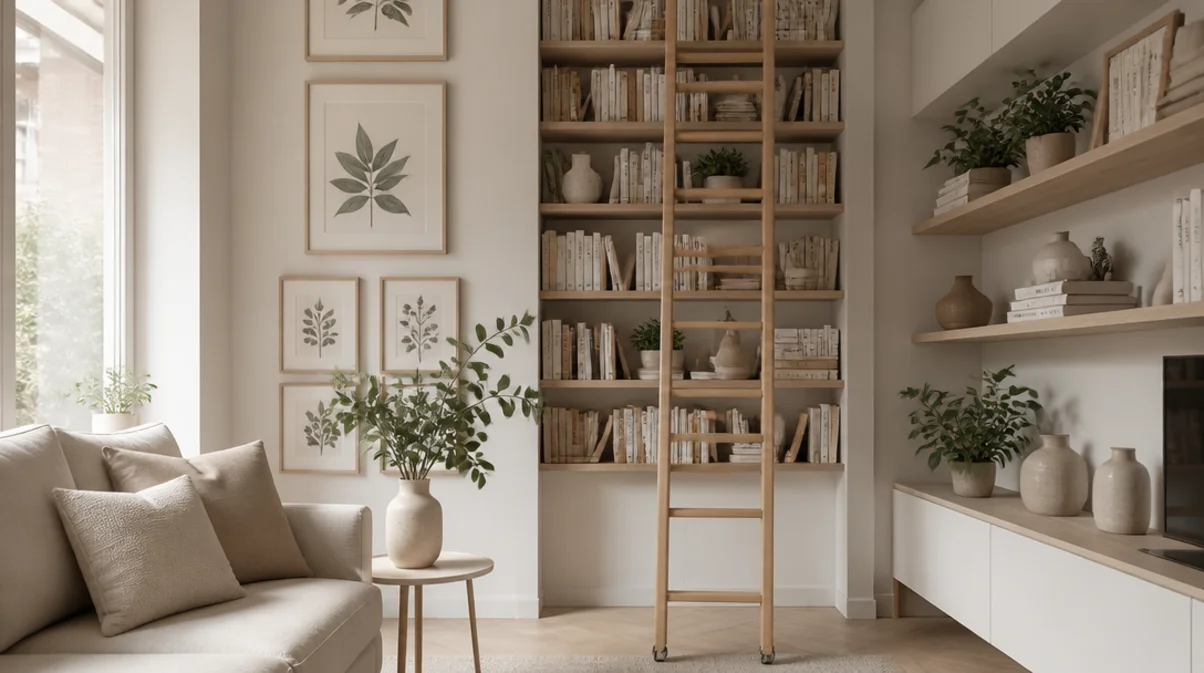
Install Floor-to-Ceiling Shelving Systems
Floor-to-ceiling shelving transforms bare walls into hardworking storage that draws the eye upward, creating the illusion of greater height. These vertical systems provide exponentially more storage than standard bookcases while maintaining a sleek profile that doesn’t overwhelm small rooms. Consider open shelving units in light woods or white finishes that keep spaces feeling airy, or opt for modular systems you can customize as needs change.
The beauty of tall shelving lies in its versatility—upper shelves hold items you don’t access daily, while lower shelves keep everyday essentials within reach. Style these shelves thoughtfully with a mix of books, decorative boxes, plants, and personal treasures to create visual interest. According to Better Homes & Gardens, ceiling-height storage can increase usable storage space by up to 50% compared to standard furniture pieces.
Utilize Wall-Mounted Storage Solutions
Wall-mounted storage keeps floors clear while providing essential functionality in compact spaces. Floating shelves, wall-mounted desks, fold-down tables, and hanging organizers all capitalize on vertical real estate without consuming precious floor space. In kitchens, magnetic knife strips, hanging pot racks, and wall-mounted spice shelves free up counter and cabinet space. Bedrooms benefit from wall-mounted nightstands and fold-away desks that disappear when not needed.
Bathrooms can incorporate wall-mounted cabinets, towel racks at varying heights, and over-toilet storage units. The key to successful wall-mounted storage is proper installation—always locate studs or use appropriate anchors to ensure safety. These solutions work beautifully in small apartment spaces where every square foot matters. Paint wall-mounted units the same color as your walls to help them visually recede and maintain an open, uncluttered feeling.
Add Tall Furniture Pieces
Choosing tall, narrow furniture over short, wide pieces helps you maximize vertical space in small rooms while maintaining floor circulation. Armoires, tall dressers, and narrow bookcases provide substantial storage without the bulky footprint of traditional furniture. Look for pieces that reach at least three-quarters of your wall height to emphasize vertical lines and make ceilings appear higher. A tall, slender cabinet occupies less visual weight than a long, low credenza while offering comparable storage capacity.
In dining areas, tall china cabinets or corner hutches utilize awkward spaces efficiently. Bedroom wardrobes with internal organization systems can replace multiple smaller furniture pieces, consolidating storage vertically. When selecting tall furniture, ensure pieces are properly secured to walls for safety. Choose designs with legs rather than solid bases to allow light to flow underneath, maintaining an airy quality that prevents rooms from feeling cramped despite the furniture’s height.

Create Vertical Garden Displays
Vertical gardens and plant walls bring life to small rooms while emphasizing height and drawing attention upward. Wall-mounted planters, hanging gardens, and tiered plant stands transform blank walls into living art that purifies air and adds organic beauty. Macramé plant hangers suspended at varying heights create visual layers without consuming surface space. Ladder-style plant stands lean against walls, providing multiple levels for displaying greenery in a compact footprint.
Wall-mounted grid systems or pegboards accommodate hanging planters you can rearrange seasonally. For commitment-phobes, removable wall-mounted vessels make experimenting with vertical gardens risk-free. According to HGTV, vertical plant displays add dimension and texture while making ceilings feel higher. Choose trailing plants like pothos or string-of-pearls for upper positions, allowing foliage to cascade downward and soften the space beautifully.
Install Strategic Hooks and Hanging Systems
Hooks, pegs, and rail systems provide flexible vertical storage that adapts to changing needs while keeping items accessible and organized. Install hooks at varying heights to create visual interest and accommodate different items—higher hooks for bags and seasonal coats, lower hooks for daily-use items and children’s belongings. Pegboard walls in entryways, craft rooms, or home offices offer customizable storage that grows with your needs. Picture rail molding near ceilings provides unexpected hanging opportunities for lightweight baskets or decorative elements.
Behind doors, over-door hooks and organizers capture otherwise wasted vertical space for bags, accessories, or cleaning supplies. In closets, cascading hangers and multi-tier clothing rods double or triple hanging capacity. The versatility of hooks makes them perfect for studio apartment organization, where furniture must serve multiple purposes. Choose attractive hooks in coordinating finishes that complement your decor, transforming functional storage into design elements.
Maximize Closet Vertical Space
Closets offer prime opportunities for vertical expansion through strategic organization systems that multiply storage capacity. Install double hanging rods to layer shorter items like shirts and pants, immediately doubling your hanging space. Add shelf dividers to stack items vertically rather than horizontally, preventing toppling piles. Over-door organizers, hanging sweater shelves, and slim drawer units utilize otherwise empty vertical space.
Stackable storage boxes and clear bins organize seasonal items on upper shelves while keeping contents visible. Install hooks on closet walls and inside doors for bags, belts, and accessories. Shoe organizers mounted on walls or over doors keep footwear organized vertically rather than scattered on floors. Consider adjustable closet systems that adapt as storage needs evolve.
Utilize the often-overlooked space above closet rods by adding an additional shelf specifically for luggage, extra bedding, or rarely used items. Proper vertical closet organization can triple storage capacity compared to standard single-rod configurations.

Conclusion: Reaching New Heights in Small Spaces
Mastering how to maximize vertical space in small rooms opens up a world of possibilities for creating organized, stylish, and functional living areas regardless of square footage limitations. By thinking vertically rather than horizontally, you’ll discover that even the smallest rooms can accommodate everything you need while maintaining breathing room and visual appeal.
From floor-to-ceiling shelving to strategic wall-mounted solutions, each vertical design choice contributes to a more spacious feeling while solving real storage challenges. Remember that vertical storage works best when balanced with adequate open wall space—don’t feel compelled to fill every inch from floor to ceiling. Start with one area that frustrates you most, implement these vertical strategies, and watch your small space transform into an efficient haven that feels surprisingly roomy.
Ready to reclaim your walls and revolutionize your small space?
Choose one vertical solution from this guide and implement it this weekend—you’ll be amazed at the difference looking up can make!


One Comment