How to Make a Small Bedroom Look Bigger with Furniture: 7 Designer Tricks
Feeling cramped in your small bedroom? You’re not alone. Many of us struggle with compact sleeping spaces, but the good news is that learning how to make a small bedroom look bigger with furniture can completely transform your space without breaking the bank.
The secret isn’t about removing everything you love—it’s about making strategic furniture choices that create the illusion of more space while maximizing functionality. With the right pieces positioned thoughtfully, even the tiniest bedroom can feel airy, comfortable, and stylish. Ready to unlock your bedroom’s hidden potential? Let’s explore proven techniques that interior designers use to make small bedrooms feel surprisingly spacious.
Choose Low-Profile Furniture to Create Visual Height
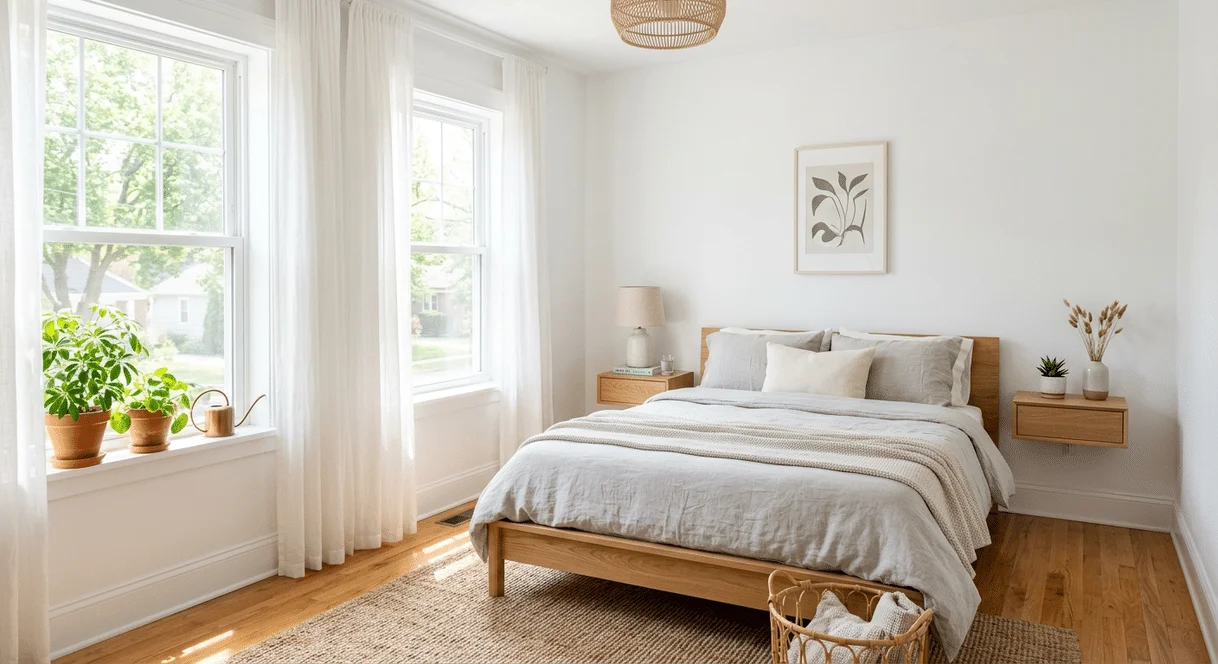
When figuring out how to make a small bedroom look bigger with furniture, your first strategy should be selecting pieces with lower profiles. Low-slung beds, shorter dressers, and streamlined nightstands automatically create more visual space between the furniture and ceiling, making walls appear taller and rooms feel more expansive.
Platform beds without bulky footboards work beautifully here. The more wall space visible above your furniture, the airier your bedroom will feel. Avoid tall, imposing armoires and instead opt for wide, low dressers that provide equal storage without overwhelming the vertical space. According to Better Homes & Gardens, maintaining clear sightlines across the room is essential for creating spaciousness.
This approach works especially well in bedrooms with standard 8-foot ceilings where every inch of perceived height matters tremendously.
Select Multi-Functional Pieces That Work Harder
Smart furniture selection means choosing pieces that serve multiple purposes, reducing the total number of items crowding your space. Storage beds with built-in drawers eliminate the need for additional dressers or storage units. Nightstands with shelving can double as small bookcases. An upholstered storage bench at the foot of your bed provides seating and hidden storage for extra blankets or off-season clothing.
small bedroom storage ideas can help you discover even more creative solutions. Consider a fold-down wall desk that disappears when not in use, or nesting tables that tuck away neatly. The fewer separate furniture pieces you need, the more floor space remains visible, creating that coveted sense of openness. Every piece should earn its place by serving at least two functions in your small bedroom sanctuary.
Use Furniture with Legs to Show More Floor Space
Here’s a designer secret about how to make a small bedroom look bigger with furniture: choose pieces with visible legs rather than those that sit flat on the floor. Beds, dressers, chairs, and nightstands elevated on legs allow light to flow underneath, creating visual continuity and making floors appear larger.
This breathing room tricks the eye into perceiving more square footage than actually exists. Furniture that extends to the floor creates visual weight and blocks, making spaces feel choppier and more confined.
Look for pieces with legs at least four to six inches high—enough to see beneath them but not so high they appear unstable. Mid-century modern furniture naturally incorporates this principle with tapered legs that feel light and airy. This simple switch in furniture style can dramatically change how spacious your bedroom feels without any actual construction or major investment.

Position Furniture Strategically for Better Flow
Furniture placement matters just as much as the furniture itself when learning how to make a small bedroom look bigger with furniture. Float your bed away from walls when possible, creating pathways on multiple sides that improve flow and make the room feel less boxed-in. If space is extremely tight, at least ensure comfortable walking paths of 24-30 inches around the bed.
Avoid pushing all furniture against walls—counterintuitively, this can make rooms feel smaller by emphasizing the perimeter. Instead, try angling a chair in a corner or positioning your dresser perpendicular to a wall. Keep the area around doorways clear to create welcoming sightlines into the space.
bedroom furniture arrangement ideas provides additional layout strategies. According to experts at HGTV, strategic furniture placement can increase the perceived size of a room by up to 30 percent through improved visual flow alone.
Incorporate Reflective and Glass Furniture Surfaces
Reflective surfaces work magic in small bedrooms by bouncing light around and creating visual depth. Consider furniture pieces with mirrored surfaces, such as a mirrored nightstand or dresser that doubles the visible light while adding glamorous style.
Glass-topped tables virtually disappear, taking up physical space without visual weight. Lucite or acrylic chairs and benches offer functionality while remaining nearly invisible. Metallic finishes on bed frames, lamp bases, and hardware also reflect light beautifully. These reflective elements don’t need to dominate—even small touches create impact.
A glass-topped vanity table or clear acrylic side table maintains functionality while preserving sightlines across the room. The transparency and reflection create layers of visual interest that make walls seem farther away than they actually are, expanding your small bedroom’s perceived dimensions effortlessly.
Scale Furniture Appropriately for Your Space
Proper furniture scale is crucial when determining how to make a small bedroom look bigger with furniture. Oversized pieces overwhelm small rooms, while appropriately scaled furniture maintains comfortable proportions. Measure your bedroom carefully before shopping, and look for furniture designed specifically for compact spaces.
A queen bed often works better than a king in rooms under 120 square feet. Choose streamlined nightstands no wider than 24 inches and armless chairs that tuck neatly into corners. Avoid bulky, overstuffed upholstered pieces that consume precious floor space.
small bedroom decorating ideas offers more guidance on selecting properly proportioned pieces. The right scale creates balance—furniture should fill the space without cramping it. When everything is proportional, your eye moves smoothly around the room, creating harmony and the illusion of greater space rather than feeling crammed or cluttered.

Stick to Light-Colored and Consistent Furniture Finishes
Color and finish consistency dramatically impact how to make a small bedroom look bigger with furniture. Light-colored furniture in whites, creams, light grays, or natural light woods reflects more light and feels less visually heavy than dark pieces.
While you don’t need to match everything perfectly, maintaining a cohesive color family creates visual continuity that makes spaces feel larger and more intentional. Too many contrasting furniture finishes create visual chaos that fragments the space. Consider painting mismatched furniture pieces the same soft color for instant cohesion on a budget.
Light wood tones work beautifully together even when the furniture styles vary slightly. This approach creates a serene, expansive feeling rather than the choppy, busy look that comes from too many competing furniture colors and finishes throughout your small bedroom retreat.
Conclusion
Now you know exactly how to make a small bedroom look bigger with furniture through strategic selection and placement. By choosing low-profile pieces with visible legs, incorporating multi-functional furniture, using reflective surfaces, maintaining appropriate scale, positioning thoughtfully, and sticking to light, cohesive finishes, you can transform even the tiniest bedroom into a spacious-feeling sanctuary.
These designer-approved techniques work beautifully whether you’re furnishing your first apartment or refreshing a longtime home.
The best part? Most of these strategies require minimal investment—just thoughtful choices about what you bring into your space and where you place it. Ready to start your bedroom transformation? Begin by assessing your current furniture against these principles, then make one or two strategic changes. You’ll be amazed how quickly your small bedroom begins to breathe.
Share your before-and-after photos with us—we’d love to celebrate your beautiful, budget-friendly transformation!


3 Comments