How to Decorate Your Home on a Tight Budget: Smart Strategies for Beautiful Spaces in 2026
Creating a beautiful home doesn’t require an unlimited budget or designer fees. Learning how to decorate your home on a tight budget is about making smart choices, getting creative with what you already have, and knowing where to invest your dollars.
Whether you’re furnishing your first apartment, refreshing a tired space, or simply stretching your decorating dollars further, you can achieve a magazine-worthy look without the premium price tag.
The secret lies in strategic shopping, DIY creativity, and understanding that style isn’t about how much you spend but how thoughtfully you curate your space. This guide will walk you through practical, actionable strategies that help you transform your home beautifully and affordably.
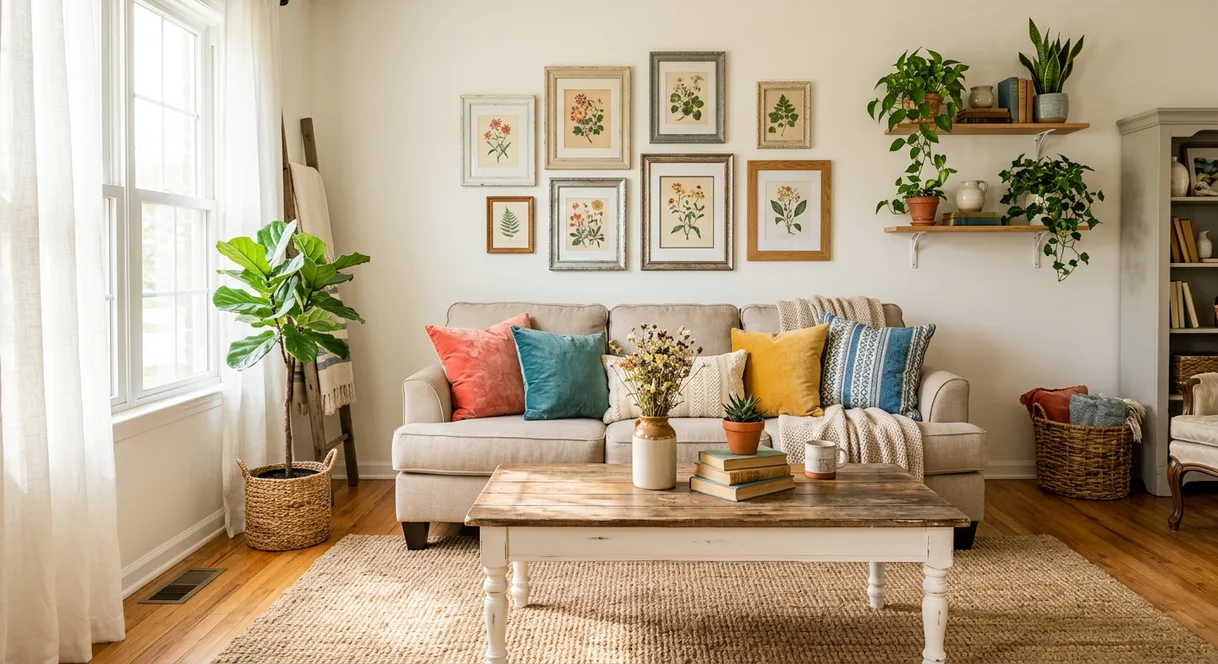
Shop Secondhand and Thrift Stores First
Thrift stores, consignment shops, and online marketplaces offer incredible opportunities to find unique pieces at fraction-of-retail prices. When you’re figuring out how to decorate your home on a tight budget, secondhand shopping should be your first stop.
Visit local Goodwill stores, Salvation Army outlets, and neighborhood consignment shops regularly, as inventory changes constantly. Estate sales and yard sales often yield solid wood furniture, vintage frames, and quality home accessories for pennies on the dollar. Online platforms like Facebook Marketplace, Craigslist, and OfferUp connect you with people selling gently used furniture in your area. Look past surface imperfections and envision the potential in each piece.
A dated dresser can become stunning with fresh paint, and tired cushions can be recovered with affordable fabric. According to Better Homes & Gardens, mixing new and vintage pieces creates character and depth that purely new furnishings can’t achieve.
Master the Art of DIY Projects
DIY projects dramatically reduce costs while adding personal touches that make your house feel like home. Simple painting projects transform furniture and walls for minimal investment—a gallon of paint costs around twenty dollars but can completely change a room’s atmosphere.
Create your own artwork by framing fabric samples, wrapping canvases with affordable textiles, or painting abstract designs that complement your color scheme. Build simple shelving using brackets and reclaimed wood from hardware stores. Refinish thrift store finds with sandpaper and stain for a high-end custom look. diy home decor projects offer endless possibilities for creative expression.
Sew your own throw pillow covers from clearance fabric, create macramé wall hangings from cotton rope, or design your own gallery wall using mismatched frames painted the same color. YouTube tutorials and Pinterest provide step-by-step guidance for projects at every skill level, making DIY accessible even for beginners.

Rearrange and Repurpose What You Already Own
Sometimes the best way to decorate your home on a tight budget involves spending nothing at all. Shop your own home by moving furniture between rooms to create fresh arrangements and new perspectives. That bookshelf gathering dust in the bedroom might be perfect for displaying plants and accessories in your living room.
Repurpose items for new functions—use a vintage ladder as a blanket rack, turn mason jars into vases or storage containers, or stack books as makeshift side tables. Rearrange artwork and accessories seasonally to keep your space feeling updated without buying anything new.
Clear surfaces of excess clutter, as negative space makes rooms feel more intentional and expensive. Create vignettes by grouping items in odd numbers on shelves and tables. According to HGTV, simply editing what you display and how you arrange it can make spaces feel completely transformed.
Focus on High-Impact, Low-Cost Changes
Certain updates deliver maximum visual impact for minimum financial investment when you’re learning how to decorate your home on a tight budget. Fresh paint is the single most transformative change you can make—choose one accent wall in a bold color to create drama without overwhelming your space or budget. Update cabinet hardware in kitchens and bathrooms for an instant facelift that costs under fifty dollars. Replace outdated light fixtures with modern alternatives from discount stores or secondhand sources.
Add peel-and-stick wallpaper to create an accent wall without permanent commitment or professional installation costs. Switch out old switch plates and outlet covers for updated versions in brushed nickel or matte black finishes. Hang curtains higher and wider than your windows to make rooms appear larger and more luxurious. These strategic changes create the impression of a complete renovation while protecting your budget.
Embrace Budget-Friendly Textiles and Accessories
Textiles and accessories breathe life into spaces without requiring major investments. Affordable throw pillows, blankets, and area rugs from discount retailers like HomeGoods, TJ Maxx, and Ross add color, texture, and comfort for reasonable prices.
Shop end-of-season sales to stock up on textiles at deep discounts. Layer different textures—linen, velvet, chunky knits—to create depth and visual interest. Indoor plants from your local nursery cost less than most decorative objects while purifying air and adding natural beauty. Propagate plants from friends’ collections to expand your greenery for free.
Candles and decorative trays from dollar stores work perfectly when styled thoughtfully. budget home accessories can look expensive when chosen with your color scheme in mind. Mix high and low pieces strategically, investing in larger items while saving on smaller accessories that can be easily swapped as trends change.

Plan Purchases Strategically and Prioritize
Strategic planning prevents impulse purchases and ensures your limited budget goes toward items that matter most. Create a priority list ranking rooms and projects by importance and frequency of use. Invest first in spaces where you spend the most time, like the living room and bedroom.
Set a realistic monthly decorating budget and stick to it, resisting the temptation to overspend on trendy items that won’t have staying power. Wait for major sales events like Black Friday, Memorial Day, and end-of-season clearances to make bigger purchases. Sign up for email lists from your favorite home stores to receive exclusive coupons and early sale notifications.
Use browser extensions like Honey or RetailMeNot to find additional discounts at checkout. Consider the cost-per-use of items—spending slightly more on a quality sofa you’ll use daily makes more sense than buying a cheaper version that won’t last. budget decorating tips include building your dream space gradually rather than rushing to complete everything at once.
Conclusion: Your Dream Home Awaits
Learning how to decorate your home on a tight budget empowers you to create beautiful, personalized spaces that reflect your style without financial stress. By shopping secondhand, embracing DIY projects, repurposing what you own, focusing on high-impact changes, choosing affordable textiles wisely, and planning purchases strategically, you can transform any space into a home you’re proud of.
Remember that the most beautiful rooms are those filled with pieces that tell your story, not those that cost the most. Start with one room, one project, or even one corner, and build from there. Your budget limitations can actually fuel creativity and lead to more unique, meaningful spaces than unlimited spending ever could. Ready to begin your budget decorating journey?
Choose one strategy from this guide and implement it this week. Share your transformation with us on social media using the hashtag #BudgetHomeBeauty—we can’t wait to see what you create!


2 Comments