How to Make a Small Room Feel Bigger with Color: 10 Paint Tricks That Actually Work
Living in a small space doesn’t mean sacrificing style or comfort. The secret to transforming your cozy room into an expansive retreat lies in understanding how to make a small room feel bigger with color. Paint is one of the most affordable and impactful tools in your decorating arsenal, capable of completely changing how spacious a room appears.
Whether you’re working with a compact bedroom, a tiny bathroom, or a snug living area, the right color choices can visually expand your space by several feet. In this guide, we’ll explore proven color strategies that interior designers use to create the illusion of more square footage, helping you maximize every inch of your home without breaking the bank or knocking down walls.
Understanding How to Make a Small Room Feel Bigger with Color Psychology
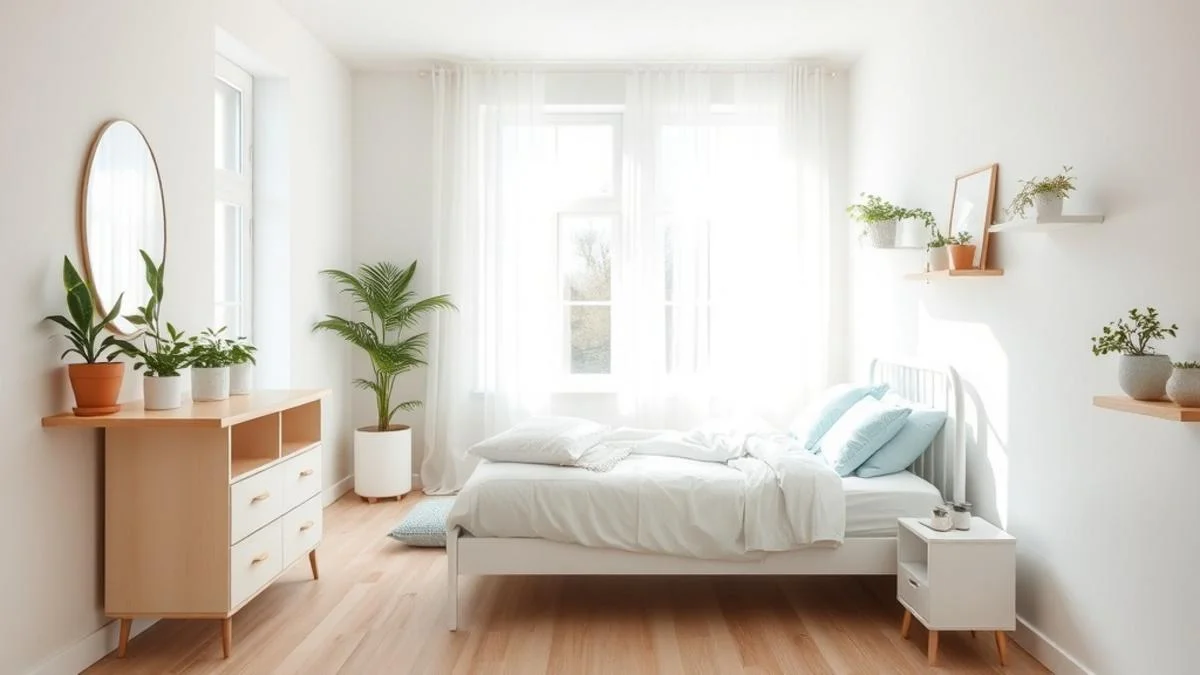
Color psychology plays a fundamental role in spatial perception. Light colors naturally reflect more light than they absorb, which makes walls appear to recede and creates the optical illusion of depth. When learning how to make a small room feel bigger with color, think of your walls as mirrors for light rather than boundaries. Whites, creams, pale grays, and soft pastels all work beautifully because they bounce natural and artificial light around the room.
According to Better Homes & Gardens, white remains the top choice for maximizing perceived space because it creates a seamless flow from wall to wall. Cool tones like light blues, soft greens, and lavenders also recede visually, making them excellent choices for compact rooms. Warm colors like reds and oranges tend to advance, making walls feel closer, so save these for accent pieces rather than main wall colors in tight spaces.
The Monochromatic Magic: One Color, Maximum Impact
One of the most effective techniques for expanding small spaces is using a monochromatic color scheme. This approach involves painting walls, trim, and even the ceiling in the same color family, eliminating visual breaks that chop up a room and make it feel smaller.
When there are no contrasting lines drawing the eye to where walls meet ceiling, the boundaries of your space blur together, creating a continuous, expansive effect. Choose a light shade as your base and use slightly darker or lighter variations for depth without disrupting the flow.
This strategy works especially well in small bedroom ideas where you want to create a calming, cocoon-like atmosphere that still feels open. Paint your baseboards and door frames the same color as your walls to further eliminate visual stops. The result is a seamless envelope of color that tricks the eye into perceiving more space than actually exists.
Strategic Accent Walls That Create Depth
While conventional wisdom suggests avoiding dark colors in small rooms, strategic use of a darker accent wall can actually enhance spatial perception when done correctly. The key is choosing the right wall and the right shade. Painting the far wall in a room slightly darker than the other walls creates depth and draws the eye through the space, making it feel longer.
This works particularly well in narrow rooms or hallways. Alternatively, painting the ceiling a shade or two darker than your walls can make a room with low ceilings feel more intimate without feeling cramped, especially when wall colors are very light. Another approach involves using a bold color on a single wall to create a focal point that distracts from the room’s size limitations.
Just ensure your accent color coordinates with your overall palette and doesn’t create too much contrast, which can make the space feel choppy and smaller.

Ceiling Color Strategies for Height Illusion
The fifth wall in your room—the ceiling—offers tremendous opportunity for spatial manipulation through color. Painting your ceiling lighter than your walls, particularly in a soft white or cream, draws the eye upward and creates the impression of height. This technique is especially valuable in rooms with standard eight-foot ceilings.
For a more dramatic effect, consider painting the ceiling in a pale blue shade reminiscent of the sky, which subconsciously suggests openness and airiness. If your room has architectural details like crown molding, painting these elements the same color as the ceiling rather than contrasting them helps blur the line between wall and ceiling, making the room feel taller.
According to HGTV, extending wall color onto the ceiling in very small rooms can create a cozy yet expansive feeling by eliminating visual boundaries entirely, though this works best with very light neutrals.
Color Temperature and Natural Light Considerations
Understanding your room’s natural light is crucial when selecting colors to maximize space. North-facing rooms receive cooler, indirect light throughout the day, so warm whites and creamy tones prevent the space from feeling cold and small. South-facing rooms get abundant warm light, making them perfect candidates for cooler whites, soft grays, and pale blues that won’t feel overwhelming.
East-facing rooms enjoy morning light but can feel dim in afternoons, benefiting from warm neutrals that maintain brightness. West-facing rooms get intense afternoon light, so cooler tones balance the warmth. In rooms with minimal natural light, avoid stark whites that can appear dingy; instead, choose warmer off-whites with yellow or pink undertones that create their own sense of light.
paint color ideas for living room can help you identify which shades work best with your specific lighting conditions. Always test paint samples on multiple walls and observe them at different times of day before committing.
High-Gloss and Reflective Finishes for Light Multiplication
Paint finish matters just as much as color when trying to expand a small space visually. High-gloss and satin finishes reflect significantly more light than flat or matte paints, effectively multiplying the light in your room and making it feel more open.
While high-gloss walls might be too much for an entire room, using this finish on trim, doors, and built-ins creates reflective surfaces that bounce light around. Semi-gloss ceilings work wonderfully in small spaces, reflecting both natural and artificial light downward. For walls, eggshell or satin finishes offer subtle reflection without the intense shine of gloss, striking a perfect balance for small rooms.
Consider using slightly glossier paint on the wall opposite your main light source to maximize reflection. In small bathroom decorating ideas, high-gloss white or pale blue on walls creates a spa-like brightness that makes the space feel much larger. Just remember that glossier finishes show imperfections more readily, so proper wall preparation is essential.

Conclusion: Transform Your Space with Confidence
Learning how to make a small room feel bigger with color empowers you to transform even the tiniest spaces into comfortable, stylish areas that feel twice their actual size. By embracing light colors, creating monochromatic schemes, using strategic accent walls, optimizing ceiling colors, considering natural light, and choosing reflective finishes, you can completely change how your home feels without expensive renovations.
Remember that color is just one element of spatial design—combining these painting strategies with proper furniture placement, mirrors, and lighting will amplify your results even further. Start with just one room, test your color choices carefully, and don’t be afraid to experiment with different shades and techniques.
Your small space has enormous potential, and with the right color choices, you’ll wonder why it ever felt cramped. Ready to start your transformation? Grab some paint samples this weekend and begin discovering which shades make your space sing. Your bigger, brighter room is just a few coats of paint away!


4 Comments